Total Cooking Time: 40 minutes
Difficulty Level: Easy
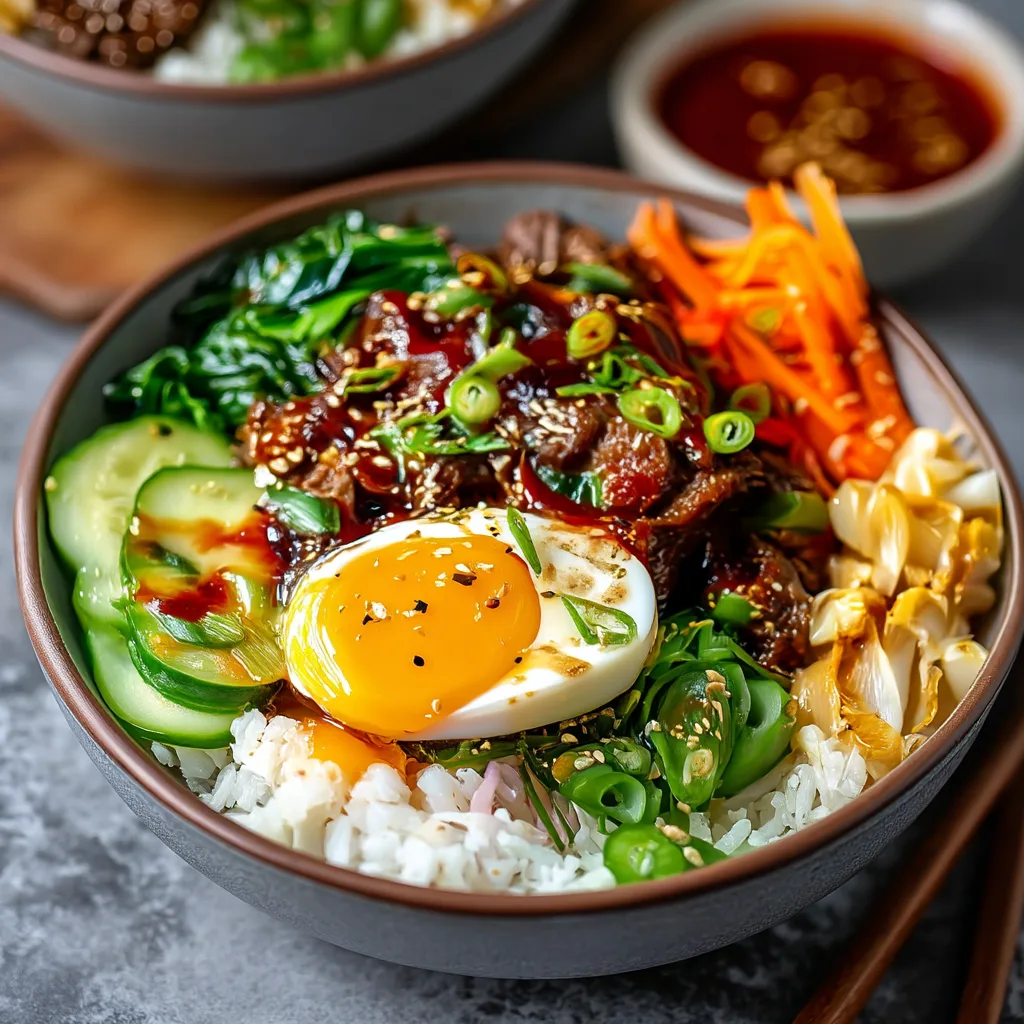
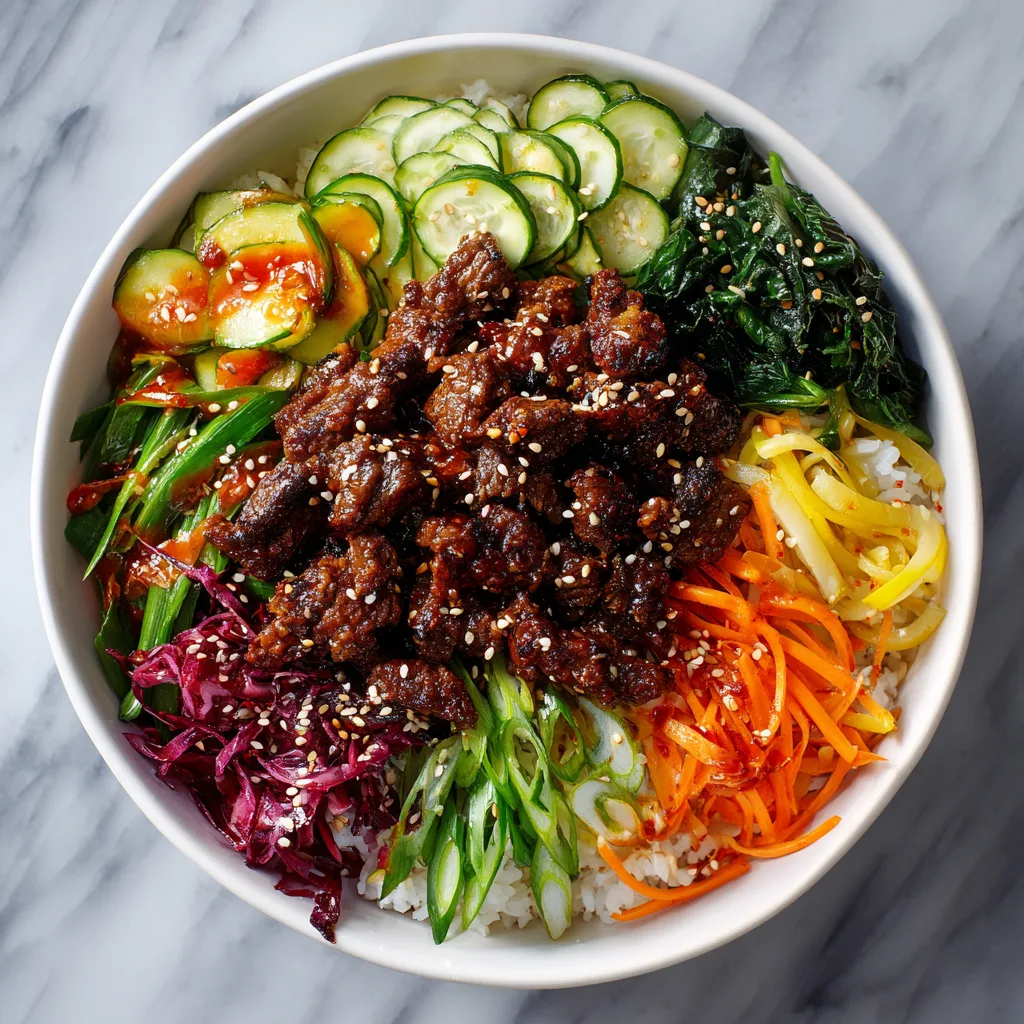
Bold, colorful, and deeply satisfying, these Spicy Korean-Style Beef Bibimbap Bowls are the kind of meal that delivers big flavor with surprisingly little effort. Savory-sweet beef coated in a spicy gochujang-inspired sauce sits atop warm rice and a rainbow of vegetables, creating a bowl that’s comforting, energizing, and anything but boring. Every bite brings contrast—tender beef against crisp vegetables, rich umami balanced by freshness, and just enough heat to keep things exciting.
What makes this recipe especially appealing is how perfectly it fits into a busy lifestyle. It’s high in protein, packed with nutrients, and flexible enough to work for lunch, dinner, or meal prep throughout the week. You get the essence of classic bibimbap flavors without complicated steps or hard-to-find ingredients. The result is a bowl that feels wholesome yet indulgent, ideal for anyone who wants a nourishing meal that doesn’t sacrifice taste.
These bowls are great for work-from-home lunches, post-workout meals, or weeknight dinners when you want something hearty but balanced. They’re especially loved by fans of Korean-inspired flavors and anyone looking to boost protein intake in a delicious way. Depending on portion size and toppings, each bowl averages around 550–650 calories, offering a filling, well-rounded meal that keeps you satisfied for hours.
Key Ingredients
Each ingredient in this bibimbap bowl plays a clear role, building layers of flavor, texture, and color.
Ground beef – The protein-rich centerpiece, juicy and flavorful when cooked with sauce.
Jasmine or short-grain rice – Forms the warm, comforting base that soaks up sauces beautifully.
Gochujang – Adds signature Korean-style heat, sweetness, and fermented depth.
Soy sauce or tamari – Enhances umami and seasons the beef.
Honey or brown sugar – Balances spice with subtle sweetness.
Sesame oil – Brings nutty aroma and richness.
Garlic – Adds savory punch and depth.
Fresh ginger – Contributes warmth and brightness.
Spinach – Lightly wilted for freshness and color.
Carrots – Add crunch and natural sweetness.
Zucchini – Provides mild flavor and tender texture.
Bean sprouts – Offer crispness and a clean, refreshing bite.
Eggs – Optional but classic, adding richness and extra protein.
Green onions – Bring mild sharpness and freshness.
Sesame seeds – Add texture and nuttiness.
Rice vinegar – Brightens vegetables and balances richness.
Chili flakes – Optional extra heat for spice lovers.
How to Make It (Step-by-Step Method)
Begin by cooking the rice. Rinse it under cold water until the water runs mostly clear, then cook according to package instructions. Once cooked, fluff with a fork and keep warm. Properly cooked rice should be tender, slightly sticky, and ready to absorb all the flavors layered on top.
While the rice cooks, prepare the beef. Heat a skillet over medium-high heat and add a drizzle of neutral oil. Add the ground beef and cook for 6–8 minutes, breaking it up with a spoon, until browned and cooked through. Drain excess fat if necessary.
Lower the heat slightly and add minced garlic and grated ginger to the beef. Cook for 30 seconds until fragrant, then stir in gochujang, soy sauce, honey or brown sugar, and sesame oil. Let the mixture simmer for 2–3 minutes, allowing the sauce to thicken and coat the beef evenly. Remove from heat and set aside.
Prepare the vegetables next. In a separate pan, lightly sauté the carrots and zucchini with a small amount of oil over medium heat for 2–3 minutes, just until tender but still slightly crisp. Season lightly with salt. Quickly sauté the spinach until just wilted, then remove immediately to preserve color and freshness. Toss the bean sprouts with a pinch of salt and a splash of rice vinegar for brightness.
If using eggs, fry them in a nonstick skillet with a little oil over medium heat until the whites are set and the yolks remain runny, about 2–3 minutes. A runny yolk adds richness and ties the whole bowl together.
To assemble, divide warm rice between bowls. Arrange the spicy beef and vegetables in sections over the rice. Top with a fried egg if using, then garnish with green onions, sesame seeds, and chili flakes as desired. Serve immediately while everything is warm and vibrant.
Serving Suggestions
Spicy Korean-Style Beef Bibimbap Bowls are visually stunning and incredibly adaptable, making them perfect for a variety of serving styles. For a classic presentation, keep each component neatly arranged in sections over the rice. This allows everyone to mix the bowl themselves, controlling how much spice, sauce, and texture they want in each bite.
For a more casual, comforting approach, stir everything together before eating so the rice absorbs the beef sauce and vegetable flavors. This creates a cohesive, deeply savory bowl that’s perfect for quick lunches or cozy dinners. A drizzle of extra sesame oil or a spoonful of gochujang on top can take it to the next level.
If you’re serving guests or family, consider setting up a bibimbap bowl station. Place rice, beef, vegetables, eggs, and toppings on the table and let everyone build their own bowl. This interactive style works especially well for different spice tolerances and dietary preferences, and it makes the meal feel fun and customizable.
You can also adapt these bowls into meal-prep containers by layering rice on the bottom, beef in the center, and vegetables around it. Keep eggs separate until serving if possible. Whether plated neatly or mixed together, these bowls deliver bold flavor and satisfying balance every time.
Storage + Meal Prep
These bibimbap bowls are excellent for meal prep and store well when handled properly. Cooked rice and beef can be stored in separate airtight containers in the refrigerator for up to four days. Let everything cool completely before storing to avoid excess moisture.
Vegetables should also be stored separately if possible to maintain texture and freshness. Lightly sautéed vegetables keep well for three to four days, while spinach and bean sprouts are best used within two to three days. Eggs should be cooked fresh for best results, but hard-fried eggs can be stored for up to two days if needed.
When reheating, warm the rice and beef together in the microwave or on the stovetop until hot. Add vegetables afterward so they don’t overcook. A splash of water or soy sauce helps revive moisture and flavor. Finish with fresh toppings like green onions or sesame seeds to make leftovers taste newly made.
For freezing, freeze only the beef, which keeps well for up to two months. Thaw overnight in the refrigerator and reheat gently before serving. Fresh vegetables and rice are best prepared fresh or refrigerated, not frozen.
Conclusion
Spicy Korean-Style Beef Bibimbap Bowls are the perfect blend of comfort, nutrition, and bold flavor. With high protein, colorful vegetables, and a spicy-sweet sauce that ties everything together, this is a meal that satisfies on every level. It’s simple enough for busy days yet exciting enough to feel special.
Whether you’re prepping lunches for the week, cooking a quick dinner, or introducing someone to Korean-inspired flavors, this recipe delivers every time. Adjust the spice, swap vegetables, or make it your own with different toppings. Once you try it, it’s sure to earn a regular spot in your meal rotation—and you’ll keep coming back to it whenever you crave something warm, hearty, and full of flavor.