Discover healthy high-protein, high-fiber breakfast ideas for energy and weight loss. Easy, filling, and delicious meals to keep you satisfied all morning.
Total Prep Time: 5–20 minutes
Difficulty Level: Easy
Starting your day with a high-protein, high-fiber breakfast is one of the smartest ways to fuel your body. These meals don’t just taste great—they help stabilize your energy levels, keep you full longer, and support healthy weight management. Instead of quick sugar spikes followed by crashes, you get steady energy that carries you through your morning.
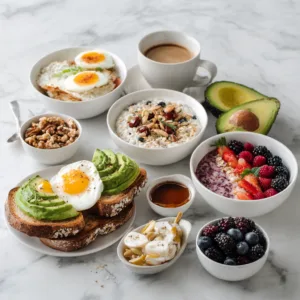
Imagine creamy oats, fluffy eggs, crunchy seeds, and fresh fruits coming together in balanced, nourishing combinations. These breakfasts are satisfying, colorful, and packed with textures—from creamy and smooth to crisp and crunchy. The best part? They’re simple enough for busy mornings yet powerful enough to support your health goals.
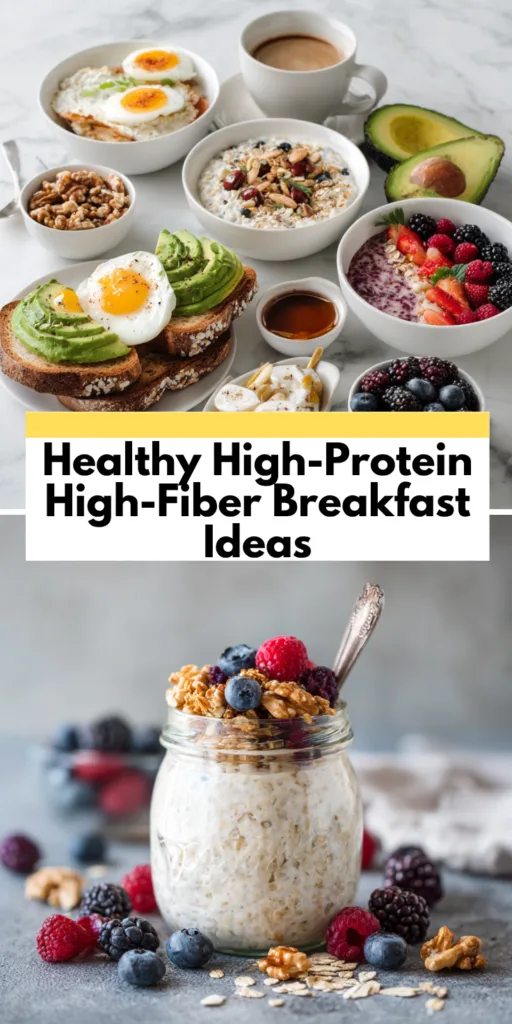
Why High-Protein High-Fiber Breakfasts Are Special
Protein helps build and repair muscles while keeping hunger at bay, and fiber supports digestion while slowing down sugar absorption. Together, they create the perfect combination for sustained energy and reduced cravings throughout the day.
These breakfasts are ideal for students, busy professionals, athletes, or anyone aiming for weight loss without feeling deprived. They’re filling, nutrient-dense, and incredibly versatile.
A well-balanced high-protein, high-fiber breakfast typically contains 20–35g of protein and 5–10g (or more) of fiber, helping you stay satisfied for hours.
Print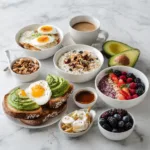
Healthy High-Protein High-Fiber Breakfast Ideas for Energy & Weight Loss
- Total Time: 5–20 minutes
- Yield: 1–2 servings 1x
Description
Discover healthy high-protein, high-fiber breakfast ideas for energy and weight loss. Easy, filling, and delicious meals to keep you satisfied all morning.
Ingredients
- 2–3 eggs
- 1 cup Greek yogurt
- 1/2 cup rolled oats
- 1 tbsp chia seeds
- 1 tbsp flaxseeds
- 1 scoop protein powder
- 1/2 cup berries
- 1 banana
- 1/2 avocado
- 1–2 slices whole grain bread
- 1 tbsp nut butter
- 1 cup spinach
- 1/2 cup cottage cheese
- 1/2 cup cooked quinoa
- 10–15 almonds
- 1 tsp honey or maple syrup
Instructions
1. For overnight oats: Mix oats, protein powder, chia seeds, Greek yogurt, and milk. Refrigerate overnight, then add berries and nuts.
2. For yogurt bowl: Add Greek yogurt to a bowl, top with berries, flaxseeds, granola, and almonds.
3. For avocado egg toast: Toast bread, mash avocado, and add cooked eggs on top. Sprinkle seeds.
4. For smoothie bowl: Blend banana, protein powder, spinach, milk, and peanut butter. Add toppings.
5. For cottage cheese bowl: Combine cottage cheese with fruits, chia seeds, and almonds. Drizzle honey if desired.
Notes
- Choose whole, unprocessed ingredients for best nutrition.
- Adjust portions based on your protein needs.
- Prep ingredients ahead for faster mornings.
- Keep toppings separate for better texture.
- Mix and match ingredients for variety.
- Prep Time: 5–20 minutes
- Cook Time: 0–10 minutes
- Category: Breakfast
- Method: Mixed (No-Cook & Light Cooking)
- Cuisine: International
Nutrition
- Serving Size: 1 bowl/plate
- Calories: 350
- Sugar: 8g
- Sodium: 250mg
- Fat: 12g
- Saturated Fat: 3g
- Unsaturated Fat: 8g
- Trans Fat: 0g
- Carbohydrates: 35g
- Fiber: 8g
- Protein: 25g
- Cholesterol: 80mg
Key Ingredients for High-Protein High-Fiber Breakfasts
Here are essential ingredients that form the base of these energizing meals:
Eggs (2–3 large) – High-quality protein that keeps you full and energized.
Greek Yogurt (1 cup) – Creamy, protein-rich, and gut-friendly.
Rolled Oats (½ cup) – Fiber-packed carbs for slow-release energy.
Chia Seeds (1 tbsp) – Loaded with fiber and omega-3s.
Flaxseeds (1 tbsp) – Adds fiber and healthy fats.
Protein Powder (1 scoop) – Boosts protein intake quickly and easily.
Berries (½ cup) – Low-calorie, high-fiber fruits with antioxidants.
Banana (1 medium) – Natural sweetness and potassium boost.
Avocado (½) – Healthy fats and fiber for satiety.
Whole Grain Bread (1–2 slices) – Complex carbs and added fiber.
Nut Butter (1 tbsp) – Adds richness and protein.
Spinach (1 cup) – Fiber-rich greens packed with nutrients.
Cottage Cheese (½ cup) – High-protein and low-fat option.
Quinoa (½ cup cooked) – Complete protein and fiber-rich grain.
Almonds (10–15) – Crunchy, protein-packed snack addition.
Honey or Maple Syrup (1 tsp) – Optional natural sweetness.
How to Make High-Protein High-Fiber Breakfasts (5 Easy Ideas)
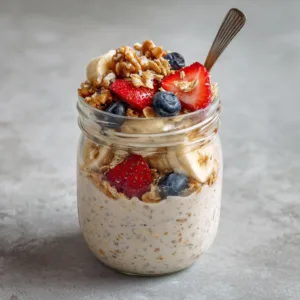
1. Protein Overnight Oats
Mix oats, protein powder, chia seeds, Greek yogurt, and milk. Refrigerate overnight. In the morning, top with berries and nuts. Texture: creamy with a slight chew and crunchy topping.
2. Greek Yogurt Power Bowl
Add Greek yogurt to a bowl, top with berries, flaxseeds, granola, and a drizzle of honey. Add almonds for crunch. Texture: creamy, crunchy, and refreshing.
3. Avocado Egg Toast
Toast whole grain bread, mash avocado on top, and add poached or scrambled eggs. Sprinkle with chili flakes and seeds. Texture: crispy base with creamy topping.
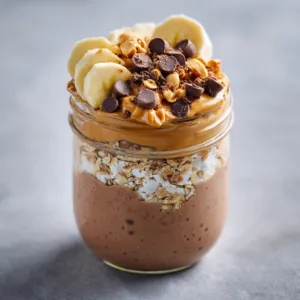
4. Protein Smoothie Bowl
Blend banana, protein powder, spinach, milk, and peanut butter. Pour into a bowl and top with granola, coconut flakes, and seeds. Texture: thick, smooth, and refreshing.
5. Cottage Cheese & Fruit Bowl
Combine cottage cheese with sliced fruits, chia seeds, and almonds. Add a drizzle of honey if desired. Texture: creamy with bursts of freshness and crunch.
Each of these options takes less than 15 minutes (or zero prep in the morning for overnight oats) and delivers powerful nutrition.
Serving Suggestions for High-Protein Breakfasts
Serving these breakfasts creatively can make them more enjoyable and sustainable. For busy mornings, keep things simple—prepare overnight oats or yogurt bowls in jars that you can grab and go. These portable options are perfect for commuting or quick breakfasts between activities.
If you have more time, elevate your presentation. Use wide bowls and arrange toppings in sections—berries on one side, nuts on another, and seeds sprinkled on top. Drizzle nut butter or honey for a beautiful finish. This not only enhances the visual appeal but also makes the meal feel more satisfying.
For family breakfasts, create a breakfast bar with different bases like yogurt, oats, and toast, along with a variety of toppings. This allows everyone to customize their meal while ensuring they get a balanced mix of protein and fiber.
You can also prepare breakfast meal prep boxes with compartments—eggs in one section, fruit in another, and nuts or bread on the side. This makes it easy to stay consistent with healthy eating habits.
Storage + Meal Prep Tips
Meal prepping these breakfasts can save you time and help you stay on track with your health goals. Overnight oats and yogurt bowls can be stored in airtight containers in the refrigerator for up to 4–5 days. Prepare several servings at once for convenience.
Egg-based dishes are best stored for 2–3 days and reheated gently to maintain texture. Smoothies can be prepped as freezer packs—just blend in the morning for a fresh drink.
Keep toppings like granola, nuts, and seeds separate until serving to maintain their crunch. Fresh fruits should also be added just before eating for the best flavor and texture.
If your oats or yogurt become too thick, simply add a splash of milk and stir to restore creaminess. Small adjustments like this help maintain freshness throughout the week.
Avoid freezing yogurt-based meals, as it can affect their texture. Instead, focus on prepping ingredients ahead of time so assembly is quick and easy.
Conclusion
Healthy high-protein, high-fiber breakfasts are a powerful way to start your day with energy and focus. They help you stay full, reduce cravings, and support weight loss—all while tasting delicious and satisfying.
The beauty of these ideas lies in their flexibility. You can mix and match ingredients, try new combinations, and adapt them to your taste preferences. Whether you prefer something creamy, crunchy, or refreshing, there’s an option for you.
Start incorporating these breakfasts into your routine and notice the difference in your energy levels, focus, and overall well-being. Healthy eating doesn’t have to be complicated—it just has to be consistent and enjoyable.