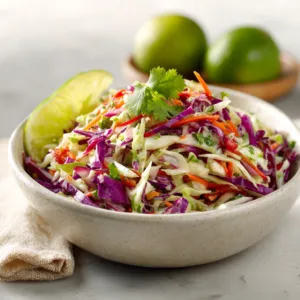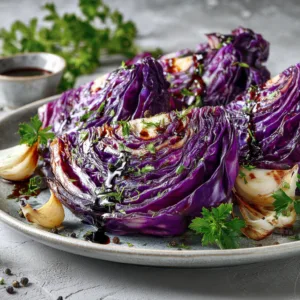
If you’re looking for a high-fiber meal plan for weight loss that’s simple, satisfying, and actually works, you’re in the right place. In this article, we’ll dive into exactly how to eat more fiber to boost satiety, reduce cravings, and support digestion—all while enjoying real, tasty food. We’ll walk through how fiber supports fat loss, which foods deliver the most fiber per bite, and what a full sample day looks like when you’re hitting your daily fiber goals. Plus, you’ll find breakfast, lunch, dinner, and snack ideas that go far beyond bland salads or bars. Let’s make weight loss feel doable, delicious, and fiber-fueled.
Table of Contents
Table of Contents
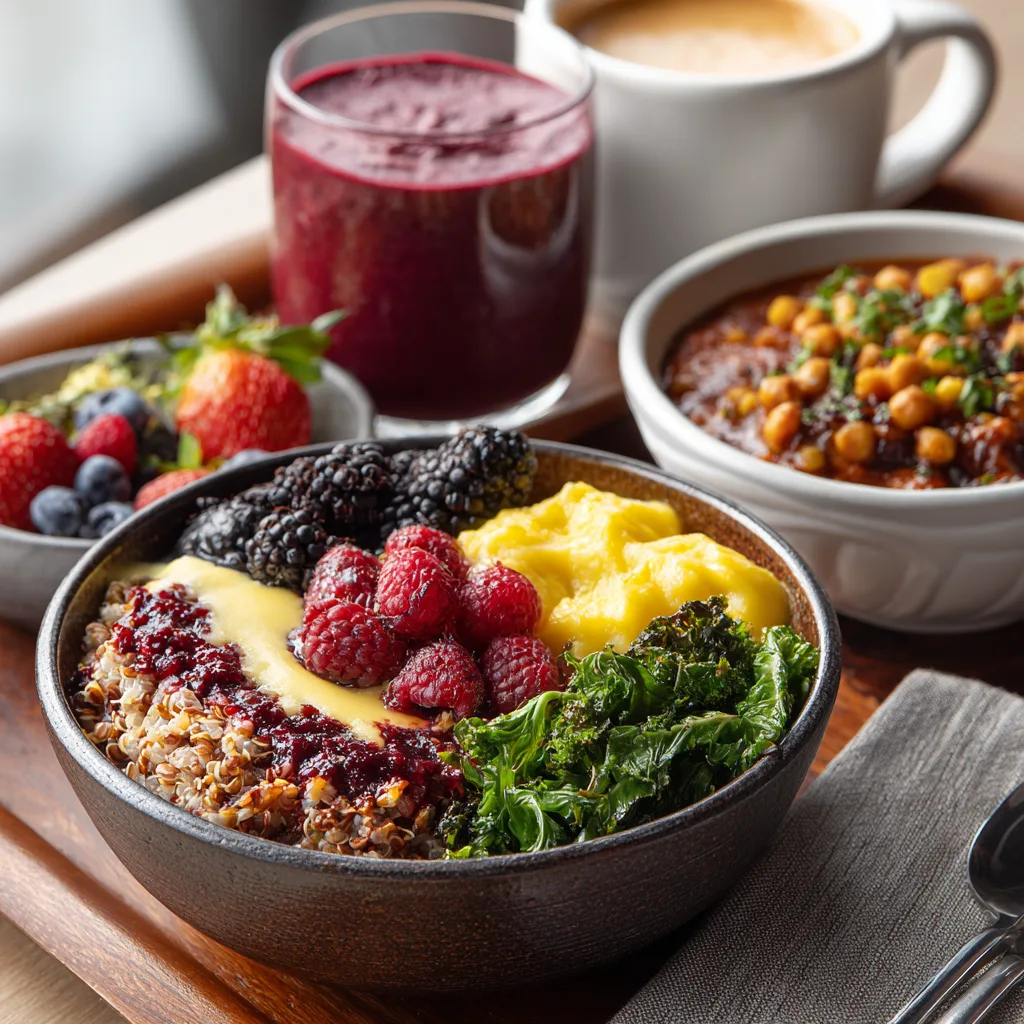
Why Fiber Is the Secret Weapon for Fat Loss and Fullness
Soluble vs. Insoluble Fiber: What They Are & Why Both Matter
Fiber isn’t just one thing—it’s two things that work together. When building a high-fiber meal plan for weight loss, it’s important to understand the two types: soluble and insoluble fiber. Each brings unique benefits to your plate—and to your body.
Soluble fiber dissolves in water and forms a gel-like substance in your digestive tract. It helps slow digestion, control blood sugar, and keep you full longer. You’ll find soluble fiber in foods like oats, apples, lentils, flaxseeds, and chia seeds. That slow, steady digestion is key when trying to manage hunger between meals or reduce mindless snacking.
Insoluble fiber, on the other hand, doesn’t dissolve—it acts more like a broom in your intestines. It adds bulk to your stool and helps everything move through your system smoothly. Foods like whole wheat flour, brown rice, cauliflower, and leafy greens are packed with this type of fiber.
Most fiber-rich foods contain both types, which is why whole foods are better than supplements. Black beans, for example, are loaded with soluble fiber but also deliver insoluble fiber for digestive health. That’s why recipes like this hearty lentil salad or my roasted veggie quinoa bowl are the real deal when it comes to getting the best of both worlds.
Pairing both types of fiber in every meal helps reduce cravings, regulate appetite, and support long-term weight control. It’s the foundation of any smart high-fiber plan.
How Fiber Curbs Hunger, Supports Digestion, and Boosts Metabolism
So how does fiber actually help with weight loss? It works by triggering satiety—your body’s “I’m full” signal. Because fiber takes longer to digest, it keeps you feeling full long after the meal is over. That means fewer snacks, fewer late-night cravings, and more control over portions.
A high-fiber meal plan for weight loss works naturally, without counting every calorie. High-fiber meals stabilize blood sugar, avoiding the crashes that make you reach for sugary snacks or processed food. And when your meals include both fiber and protein—like a chickpea stew or veggie-packed tofu scramble—you hit that perfect hunger-fighting combo.
Fiber also plays a big role in gut health. When you feed your gut bacteria with fiber-rich foods, they produce short-chain fatty acids that reduce inflammation and may even improve metabolism. A happy gut is often the secret to sustainable weight loss, better digestion, and improved energy.
The best part? High-fiber foods are naturally nutrient-dense and lower in calories. So you eat more volume, feel satisfied, and stay on track without deprivation. Meals like a veggie-stuffed wrap or chickpea curry with brown rice don’t just taste great—they actually help you lose weight.
In short, fiber helps you eat smarter, not less. And that’s what makes it such a powerful tool.
Print
High-Fiber Meal Plan for Weight Loss: Easy, Healthy, and Satisfying Recipes
- Total Time: 45 minutes
- Yield: 4 servings 1x
- Diet: Vegetarian
Description
A simple high-fiber meal plan for weight loss including fiber-packed recipes for breakfast, lunch, dinner, and snacks to keep you full and energized.
Ingredients
- 1/2 cup rolled oats
- 1 tbsp chia seeds
- 1/2 cup black beans
- 1/2 cup lentils
- 1/2 cup quinoa
- 1 medium apple
- 1 tbsp almond butter
- 1 tbsp ground flaxseed
- 1 cup spinach
- 1/2 cup cherry tomatoes
Instructions
- Combine oats, chia seeds, almond milk, and berries for overnight oats.
- Sauté tofu with spinach, turmeric, and garlic for a fiber-rich scramble.
- Mix lentils, quinoa, and veggies for a filling lunch salad.
- Prepare chickpea stew with tomatoes, onion, and spinach for dinner.
- Snack on apple slices with almond butter and flaxseed.
Notes
Increase fiber gradually over 5–7 days to avoid bloating.
Drink 8+ glasses of water daily to support fiber digestion.
- Prep Time: 15 minutes
- Cook Time: 30 minutes
- Category: High-Fiber Recipes
- Method: Meal Prep
- Cuisine: Global
Nutrition
- Serving Size: 1 bowl
- Calories: 375
- Sugar: 6g
- Sodium: 520mg
- Fat: 12g
- Saturated Fat: 1.5g
- Unsaturated Fat: 10g
- Trans Fat: 0g
- Carbohydrates: 45g
- Fiber: 12g
- Protein: 14g
- Cholesterol: 0mg
How Much Fiber You Need Per Day (And How to Get It)
Recommended Fiber Intake (Women/Men) and Nutrient Timing
If you’re following a high-fiber meal plan for weight loss, knowing how much fiber you actually need is a great place to start. According to health experts, women should aim for 25 grams of fiber per day, while men should aim for 38 grams. Yet most Americans fall far short of that, averaging just 15 grams daily.
But it’s not just the total—it’s the distribution of fiber across your meals that matters. Loading all your fiber into dinner may cause bloating or discomfort, especially if your gut isn’t used to it. That’s why spreading it evenly—from breakfast through evening snacks—works best.
Start your day with 6–8 grams of fiber from something like a high-protein smoothie blended with chia seeds, spinach, and berries. If you need inspiration, this weight-loss smoothie recipe is packed with fiber and nutrients, making it a perfect breakfast choice.
By the time you reach dinner, you should already be close to 20–25 grams. If you’re under, a simple addition of lentils, brown rice, or roasted veggies can easily top you off without the need for supplements.
Avoiding Bloat: How to Gradually Increase Fiber Without Side Effects
One of the most common mistakes with a high-fiber meal plan for weight loss is increasing fiber too quickly. If your gut isn’t ready, it may lead to gas, bloating, or discomfort. But don’t worry—it’s not the fiber’s fault. It’s just your microbiome adjusting.
Here’s how to avoid that: increase your fiber intake slowly over 5–7 days, and always pair it with more water. Think of fiber as a sponge—it absorbs fluid. Without enough hydration, it can actually back you up instead of keeping you regular.
Start by adding a fiber-rich meal once a day—like a legume-based lunch or a fruit-packed smoothie. Over the week, bump up your fiber by 5 grams every couple of days. A helpful resource is this GLP-1-friendly recipe collection, especially if you’re also managing appetite with medications like semaglutide or Wegovy. These meals are lower in volume but still rich in fiber, perfect for gradual digestion improvement.
Also, remember to listen to your body. If you feel bloated, pause and maintain your current intake for a day or two before increasing again. Your gut will adjust—and the benefits will follow quickly.
Breakfasts That Burn Fat and Keep You Full for Hours
Overnight Oats with Chia and Berries
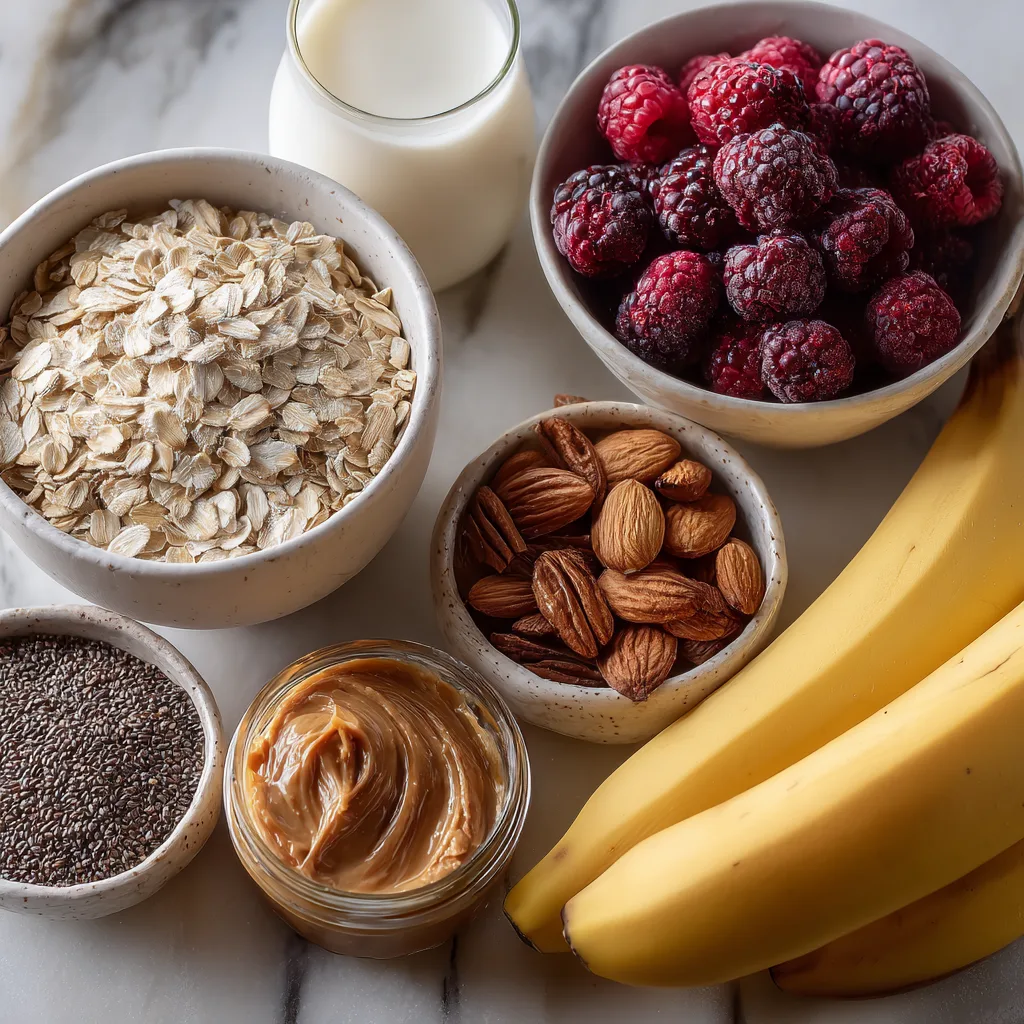
A smart high-fiber meal plan for weight loss starts with a satisfying breakfast—and overnight oats are one of the easiest and most effective ways to pack in fiber before noon. In just five minutes the night before, you can prep a creamy, fruit-packed breakfast that keeps you full all morning.
Start with rolled oats (4g fiber per ½ cup), then add a tablespoon of chia seeds (5g), unsweetened almond milk, and a handful of berries like raspberries or blackberries (8g per cup). That’s already 13+ grams of fiber before you’ve even had lunch.
The soluble fiber in oats and chia slows digestion, stabilizes blood sugar, and keeps cravings away until your next meal. And if you need a little sweetness, drizzle a bit of maple syrup or mashed banana—no need for anything artificial.
You can even take it up a notch by blending this into a smoothie bowl and topping with nuts and seeds. Try pairing your oats with a fiber-packed recipe like the 21-Day Smoothie Diet plan to ease into healthier habits without cutting carbs.
The best part? No cooking required. Just mix, chill, and go.
Savory Veggie Tofu Scramble with Whole-Grain Toast
If you prefer savory breakfasts, a tofu scramble is your best friend. High in protein, plant-based, and loaded with fiber when combined with the right veggies and grains, it’s a powerhouse start to your day.
Crumble firm tofu in a pan with olive oil, turmeric, garlic, and a mix of high-fiber vegetables like spinach, bell peppers, and mushrooms. Serve with two slices of whole-grain toast and you’ve got 8–12 grams of fiber in one sitting.
This kind of breakfast supports gut health, keeps you full, and avoids the mid-morning energy dip that comes from sugary cereals or pastries. It’s a great fit for those balancing fiber and protein for long-term weight loss goals.
Want something sweet after your scramble? Pair it with a frozen banana blended into a creamy piñon ice cream recipe that adds extra fiber and flavor without the guilt.
Midday Meals That Fuel You Without Weighing You Down
Lentil & Quinoa Salad with Lemon-Tahini Dressing
Lunch is where most people start to feel tired or snacky—but it doesn’t have to be that way. With the right balance of protein, fiber, and healthy fats, your lunch can power you through the afternoon and keep you feeling full and focused. That’s exactly what makes this lentil and quinoa salad a key player in any high-fiber meal plan for weight loss.
Lentils pack about 8 grams of fiber per cup, while quinoa adds another 5. Toss them with diced cucumbers, cherry tomatoes, chopped parsley, and a tangy lemon-tahini dressing. Add in a few toasted sunflower seeds for crunch—and a bonus 2 grams of fiber.
This salad isn’t just filling—it’s refreshing, easy to batch-prep, and ideal for busy weekdays. You can serve it warm or chilled, making it perfect for work lunches or weekend meal prep.
If you’re using weight-loss medication like Wegovy or semaglutide, fiber can help minimize side effects like constipation and hunger spikes. This recipe also pairs well with other Wegovy meal ideas designed to support those on GLP-1 therapies.
Spicy Black Bean Wrap with Avocado
Wraps can be fiber bombs—if you choose the right ingredients. A high-fiber tortilla (look for one with 8+ grams per wrap), mashed black beans, and fresh veggies create a complete, energizing lunch in under 10 minutes.
To build this wrap, mash canned black beans with lime juice, cumin, garlic powder, and a pinch of smoked paprika. Layer in shredded romaine, diced tomatoes, red onion, and slices of avocado. Not only does this meal offer up to 15 grams of fiber—it also satisfies with healthy fats and flavor.
If you like a little sweet with your savory, serve this alongside a mini smoothie from the weight-loss smoothie collection to bump up your fiber and hydration at the same time.
This kind of lunch proves that fiber-rich doesn’t mean boring. It means satisfying, delicious, and nutrient-dense—with benefits you can feel within days.

Easy Dinners with Big Fiber and Low Calories
Chickpea Stew with Spinach and Tomatoes
Dinner is where most people either stay on track—or derail completely. But with the right meal, you’ll feel full, satisfied, and done for the night. That’s why this chickpea stew is one of the most powerful dinners in a smart high-fiber meal plan for weight loss.
Chickpeas provide over 12 grams of fiber per cup. Combine them with sautéed onions, garlic, canned tomatoes, and fresh spinach for a hearty, low-calorie stew that feels indulgent but supports your goals. Add cumin, smoked paprika, and a splash of lemon for extra depth.
The best part? This stew only takes about 30 minutes from start to finish and stores beautifully for leftovers. It’s a staple in many GLP-1-friendly meal plans because it’s gentle on digestion, hydrating, and easy to portion.
Looking for more ideas like this? Browse these semaglutide-friendly recipes that balance fiber with flavor for sustainable weight loss support.
Roasted Veggie Tacos with Cabbage Slaw
Taco night doesn’t need meat to be satisfying. These roasted veggie tacos are packed with fiber from sweet potatoes, black beans, and red bell peppers—all roasted with olive oil and spices until caramelized and slightly crispy.
Pile them into corn or high-fiber tortillas, then top with crunchy cabbage slaw dressed in lime juice and Greek yogurt. The combination of warm veggies and cold, tangy slaw makes every bite exciting.
Each taco delivers around 6–8 grams of fiber, and two will keep you full for hours. Add a scoop of guacamole or sprinkle of pumpkin seeds for an extra fiber boost without sacrificing taste.
And if you’re winding down with something sweet, try a small serving of vanilla chocolate swirl ice cream made with banana and almond milk—it’s a fiber-friendly dessert option that won’t undo your progress.
Dinner doesn’t have to be heavy to be satisfying. With smart ingredients and bold flavors, you’ll go to bed feeling full—not stuffed.
Smart Snacks That Actually Help You Lose Weight
Air-Fried Edamame with Sea Salt
Snacks often make or break a weight loss plan—but if you choose the right ones, they can actually help you reach your goals faster. In a well-balanced high-fiber meal plan for weight loss, smart snacking is all about volume, fiber, and satisfaction.
Air-fried edamame is one of the easiest snacks to prep and enjoy. Just toss frozen shelled edamame with a pinch of sea salt, garlic powder, and a light spray of olive oil. Air fry at 375°F for 10–12 minutes until crispy on the outside and tender inside.
One cup of cooked edamame contains around 8 grams of fiber and 17 grams of plant-based protein. It’s a powerful combo for curbing appetite and promoting satiety between meals. Plus, it’s naturally gluten-free and fits into most dietary needs, including vegetarian and low-calorie plans.
If you want to pair it with something cool and sweet, try a small scoop of piñon ice cream made with banana, pine nuts, and almond milk. It’s creamy, fiber-friendly, and doesn’t spike blood sugar.
Apple Slices with Almond Butter and Ground Flax
Here’s another fiber-rich snack that never disappoints: crisp apple slices dipped in creamy almond butter. Add a sprinkle of ground flaxseed for extra texture and a serious fiber boost.
One medium apple contains about 4.5 grams of fiber, most of which comes from the skin. Pair it with a tablespoon of almond butter (2g fiber) and a teaspoon of flaxseed (another 2g), and you’re looking at a 9-gram snack that’s both satisfying and heart-healthy.
This snack works great for afternoon slumps, post-workout bites, or a quick after-dinner sweet fix. It supports digestion, balances blood sugar, and helps prevent those late-night pantry raids.
And if you’re following a GLP-1-supported weight loss plan, these kinds of fiber-forward ideas help support regularity, appetite control, and steady energy.
Snacking doesn’t need to be a setback. With fiber as your guide, it becomes part of your progress.
Your 25g+ Fiber Day — Easy Meal-by-Meal Breakdown
A Full Day of Fiber-Rich Eating
Now that you’ve seen the power of fiber-packed meals in action, let’s pull it all together into one high-fiber meal plan for weight loss you can follow today. This sample day is designed to be simple, satisfying, and balanced—no calorie counting or bland foods involved.
Each meal delivers a steady dose of fiber to help you feel full, energized, and in control of cravings. Aim to drink at least 8 glasses of water throughout the day to keep digestion smooth—fiber needs hydration to do its job properly.
Here’s what a typical 30g fiber day could look like:
| Meal | Recipe | Estimated Fiber |
|---|---|---|
| Breakfast | Overnight oats with chia seeds & berries | 13g |
| Snack | Apple slices with almond butter + flaxseed | 9g |
| Lunch | Lentil & quinoa salad with veggies | 11g |
| Snack | Air-fried edamame | 8g |
| Dinner | Chickpea stew with spinach & brown rice | 14g |
| Total | ~55g (way over!) |
Even if you don’t hit every gram, this structure ensures you stay close to or above the recommended minimum: 25g/day for women, 38g/day for men.
Want to ease in slower? Start by hitting 20g/day consistently using this format, then build up. You’ll still get digestion, weight, and blood sugar benefits.
Bonus Tip: Pair Your Fiber with Smart Meal Timing
For even better results, space meals 3–4 hours apart and keep portions moderate. Fiber works best when your system isn’t overloaded. Also, don’t skip meals—doing so often leads to overcompensation later in the day.
If you need a nutrient-packed drink to fill the gaps, check out the 21-Day Smoothie Diet. It’s full of blended fiber options that keep you on track when you’re short on time.
Following this type of high-fiber meal plan for weight loss doesn’t just help you feel better—it helps you live better. You’ll notice more energy, fewer cravings, and a lighter, more comfortable digestive system in just a few days.
Beyond the Basics: Global Meals Packed with Fiber
Moroccan Chickpea Tagine
When it comes to fiber, the world has so much more to offer than just salads and smoothies. Global cuisines are naturally packed with fiber-rich staples like legumes, whole grains, root vegetables, and spices. Adding international flair to your high-fiber meal plan for weight loss keeps your routine exciting and deeply satisfying.
One standout? Moroccan chickpea tagine. This dish combines chickpeas, carrots, tomatoes, zucchini, and dried apricots in a warmly spiced broth with cumin, cinnamon, and turmeric. The result is a flavorful, nutrient-dense stew that delivers over 12 grams of fiber per bowl.
Serve it over couscous or quinoa for an extra boost of plant-based protein and whole grains. Not only is this meal perfect for batch cooking, but it also freezes well—ideal for busy weeks when you need nourishing food, fast.
Pair it with a light dessert like piñon ice cream to balance bold spices with creamy sweetness—without derailing your fiber goals.
Indian-Inspired Moong Dal with Brown Rice
India’s cuisine is another goldmine for fiber. Take moong dal, for example—a light yellow lentil known for being easy to digest, high in protein, and loaded with soluble fiber.
To prepare it, simmer yellow lentils with turmeric, cumin, garlic, and ginger until creamy. Stir in spinach or kale during the last few minutes for an extra punch of greens. Serve over brown rice with a spoonful of yogurt or cucumber raita.
This meal provides 10–12 grams of fiber and works beautifully as a dinner or lunch, especially if you’re easing into more plant-based eating.
If you’re using GLP-1 medications or managing appetite changes, this kind of comforting, slow-digesting meal supports digestion and energy without heaviness. Explore more options in the GLP-1 recipes section where high-fiber meets real flavor.
Adding cultural variety isn’t just fun—it’s a powerful way to stick to your plan long-term. When meals excite you, staying consistent becomes second nature.
FAQs about high-fiber meal plan for weight loss
What is the best high fiber diet for weight loss?
The best high-fiber diet for weight loss is one that includes a wide variety of whole, plant-based foods—like beans, lentils, oats, fruits, vegetables, whole grains, and seeds. A high-fiber meal plan for weight loss should aim for at least 25–30 grams of fiber daily, spread evenly across meals. It should also balance fiber with lean protein, healthy fats, and hydration to support digestion, energy, and satiety.
Can I lose weight on a high fibre diet?
Yes, many people lose weight successfully on a high-fiber diet. Fiber slows digestion, increases feelings of fullness, and naturally helps reduce calorie intake. Studies show that people who follow a high-fiber meal plan for weight loss tend to eat fewer calories overall and have more stable blood sugar levels. The key is to gradually increase fiber intake and stay consistent.
What is the 3 3 3 rule for weight loss?
The “3-3-3 rule” is a simple eating guideline that suggests having 3 meals per day, 3 snacks per day, and 3 hours between eating sessions. While it doesn’t directly focus on fiber, it pairs well with a high-fiber meal plan for weight loss by encouraging regular eating patterns and preventing overeating. Adding fiber to each meal and snack—such as fruits, veggies, or nuts—can make this strategy even more effective.
How much fiber for a 1200 calorie diet?
On a 1200-calorie diet, you should still aim for at least 21–25 grams of fiber per day, according to general nutrition guidelines. You can meet this target by focusing on nutrient-dense foods like lentils, chia seeds, berries, leafy greens, and whole grains. Even on a lower-calorie plan, a high-fiber meal plan for weight loss can keep you full, energized, and consistent without adding excess calories.